


How the blog is organized
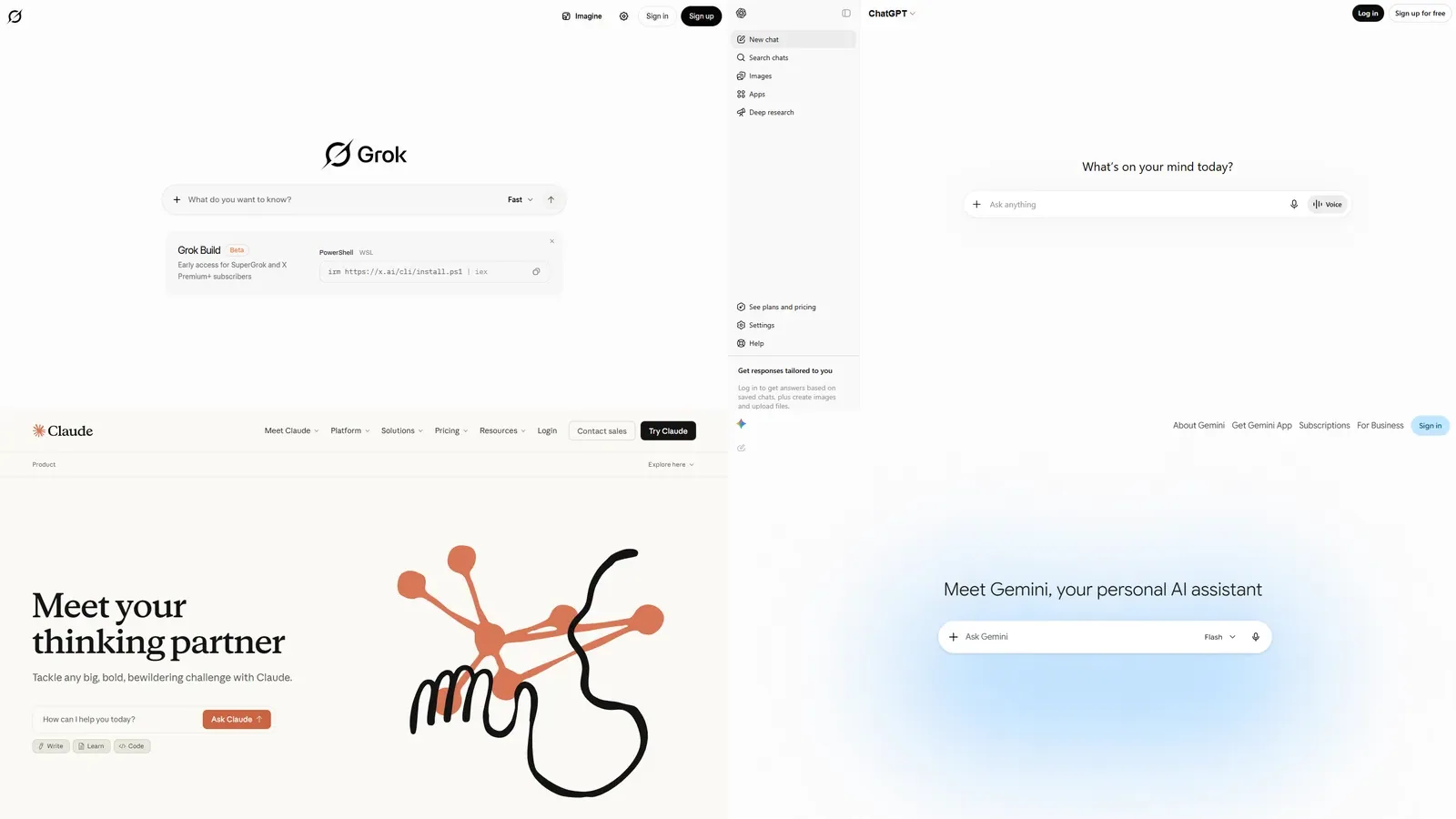
The blog combines three article types. Guides are practical explainers for plans, settings, and Grok features. Comparisons help readers test Grok against ChatGPT, Claude, Gemini, and other AI tools. News pages cover xAI and Grok updates with dates, source links, and next-step context.
Why articles link across sections
A reader might begin with a plan question, discover a privacy concern, then need a model comparison. Internal links keep that path visible so the reader does not need to start over on every page.
Best pages to start with
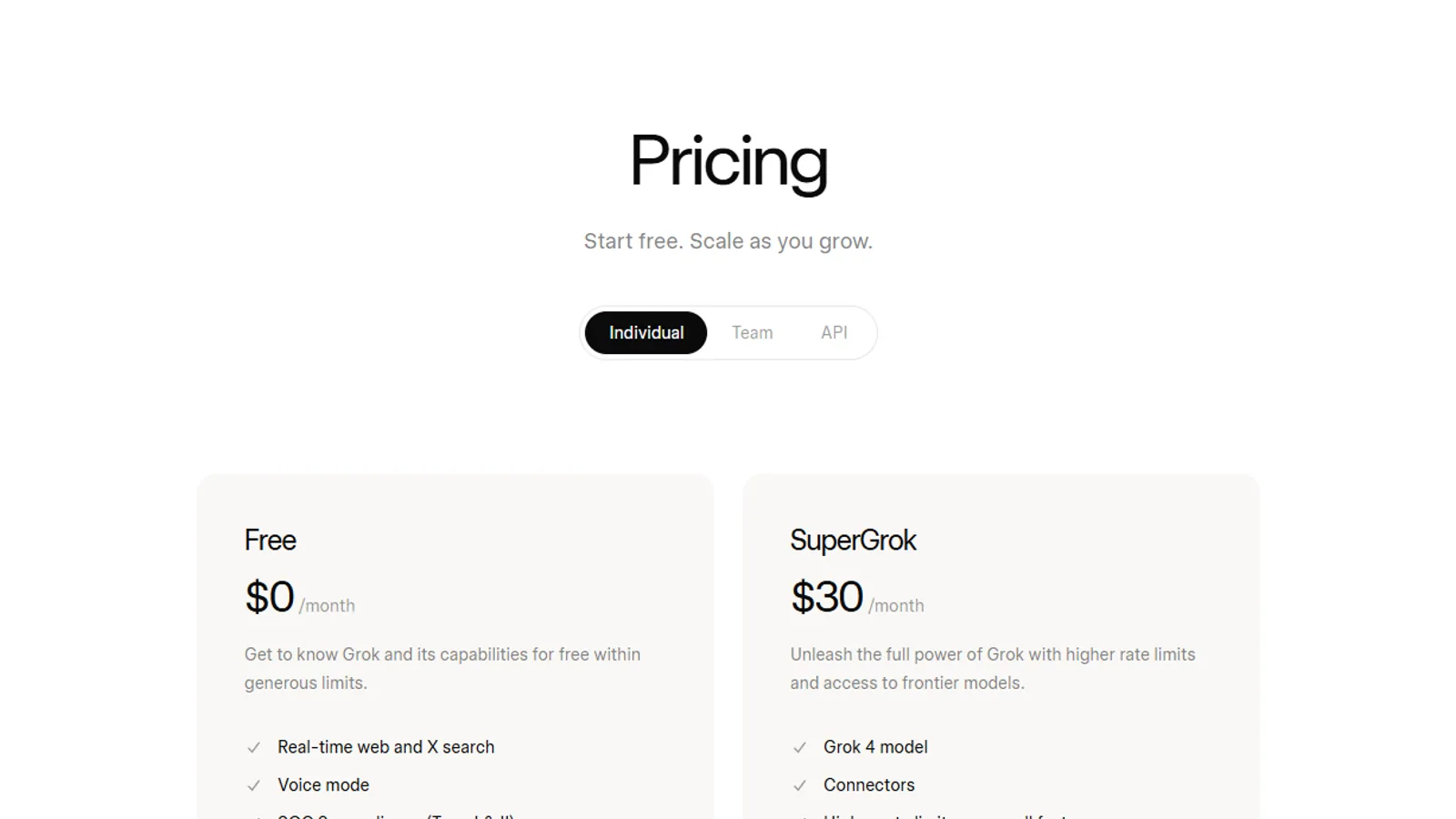
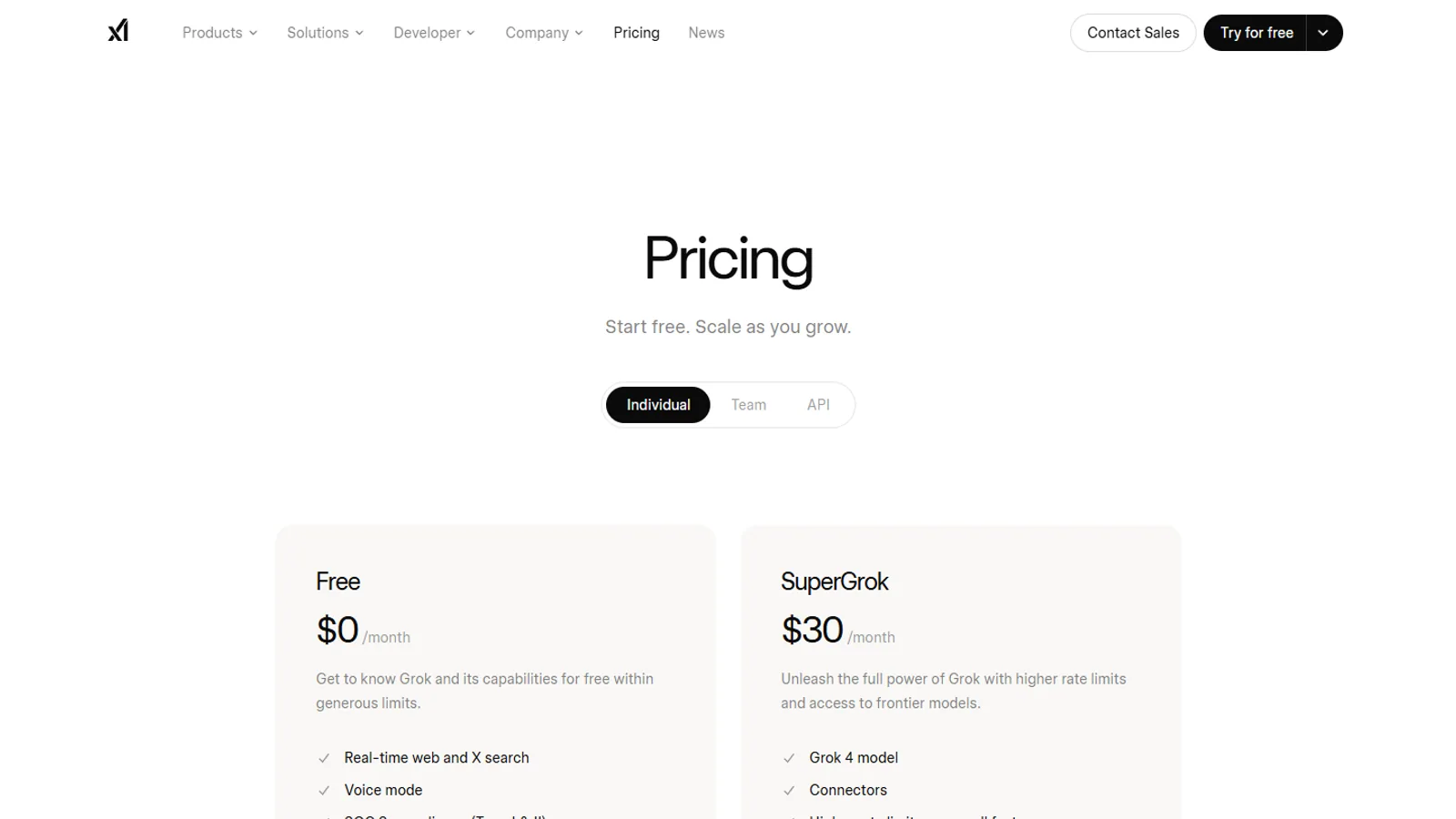
If you are new to Grok, begin with the SuperGrok basics guide. If you already know you may pay, read the plans guide. If you are deciding between AI tools, open the comparison hub after you know your own workflow and account surface.
How to read dated Grok coverage
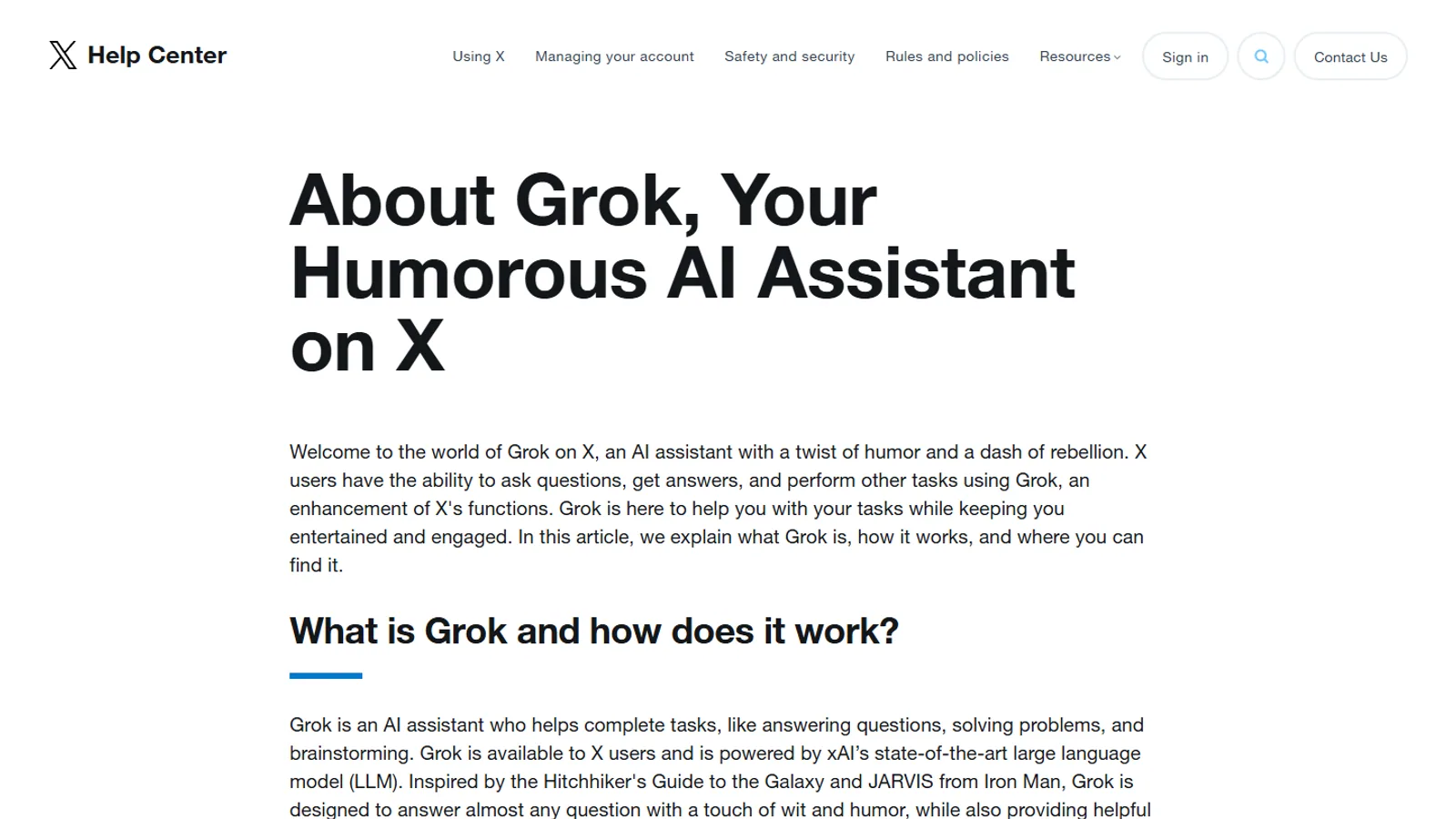
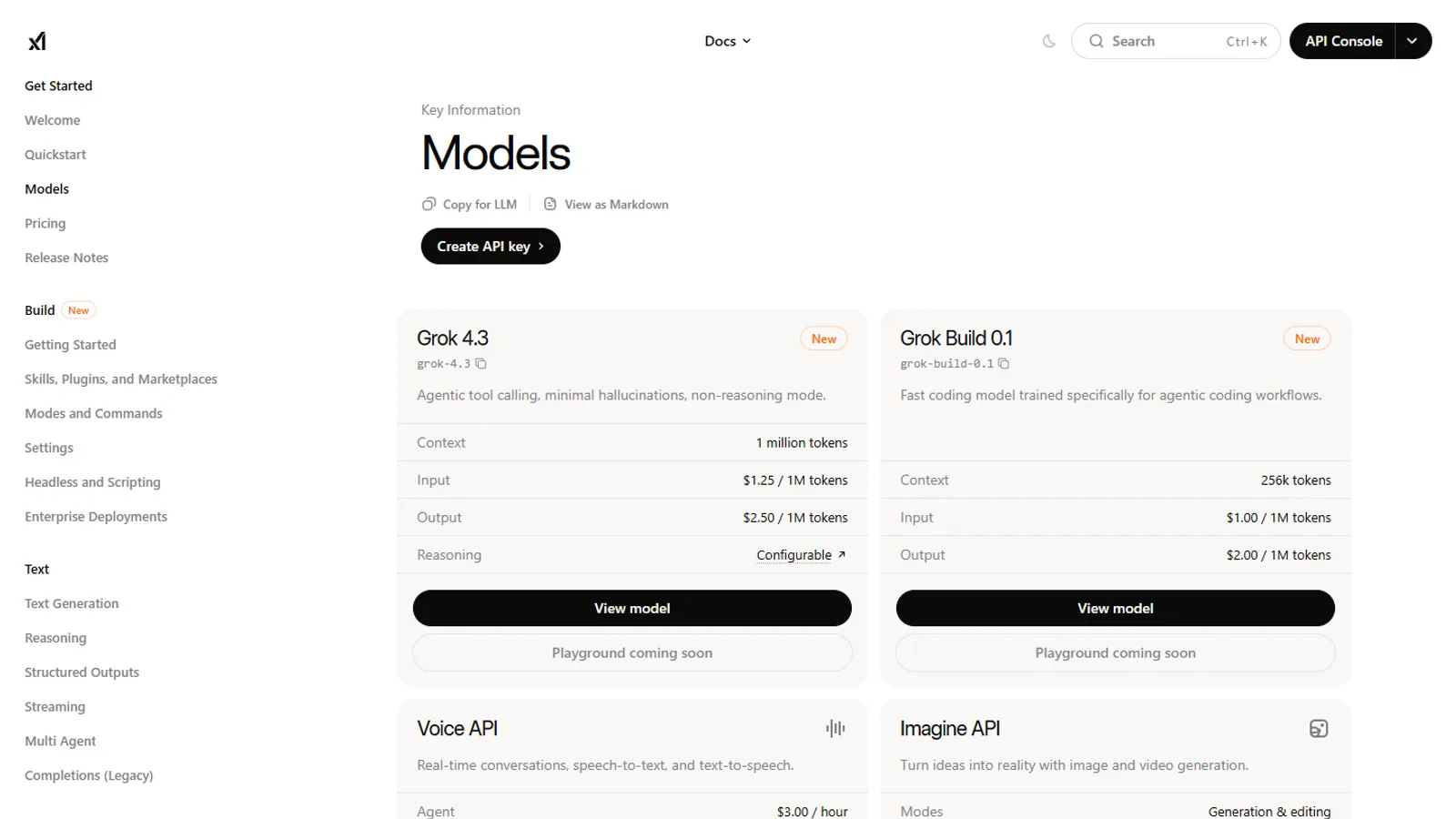
Grok and xAI details can change across plans, mobile apps, X integration, and developer documentation. Treat each article date as part of the answer. A plan page should lead you to the official page before you pay. A news page should explain what changed and who is affected. A comparison should help you test the same task across tools instead of relying on a broad claim.
What makes an article worth publishing
An article belongs here only when it answers a real reader problem. That might be choosing between SuperGrok and X Premium, checking whether Grok Imagine fits a creator workflow, deciding how to test Grok against ChatGPT, or understanding what a new xAI model update means for a developer. When an answer depends on a changing account screen, the article points readers back to the official source.
How this blog connects to the rest of the site
The blog is the newest-first view. Topic hubs are the task-first view. Section indexes are the format-first view. Use whichever path fits your question, then follow the internal links to verify plans, compare tools, check privacy settings, or read the latest dated update.